This short guide explains what a retired police car usually is in the United States market today. Fleet vehicles are decommissioned and sold through surplus channels or at city and state auctions after 75,000–100,000 miles.
Legality depends on removing prohibited equipment and following state and local rules. The core question is simple: are these vehicles street-legal once cleared of emergency gear? This piece frames the answer with buying tips, inspection steps, and ownership notes.
Many buyers choose ex-patrol vehicles for lower prices versus similar civilian models, but sales are typically “as-is.” That means inspection matters. Key risks include impersonating law enforcement, leftover wiring, and limits on lights or sirens.
Who this helps: individual buyers, families, collectors, and small businesses considering an ex-patrol vehicle. This is not legal advice—check DMV and state statutes before purchase.
Key Takeaways
- Decommissioned models sell at auctions and often need work before use.
- Remove or disable restricted equipment to meet state rules.
- Inspect wiring, idle hours, and service history before bidding.
- Avoid any gear that could suggest active law enforcement duties.
- By the end, readers will know what to ask, what to change, and how to avoid costly surprises.
Legal basics for driving an ex-police vehicle in the United States
Impersonation laws focus on appearance and function. If a former police unit still displays badges, decals, flashing devices, or a siren, many states treat that as unlawful impersonation. That risk exists even when the sale was legal and the title is clear.
Emergency lights and sirens
Most jurisdictions ban blue or red emergency lights and public use of sirens on civilian vehicles. Strobes, certain LED arrays, and mixed-color setups often fall under the same restriction.
- Blue/red lights and working sirens: generally prohibited on public roads.
- Some amber/white markers have narrow exemptions for service fleets—check local rules.
- Spotlights and interior light remnants are gray areas; verify with state codes.
Markings, decals, and replica paint schemes
Official decals and police-style liveries usually must be removed. Replica paint or graphics that could be mistaken for active police vehicles often violate state law. Even harmless intent does not always prevent citation.
Adopt a compliance-first mindset: assume restricted equipment must be disabled or removed before public use unless a clear exemption applies. Keep auction paperwork, decommissioning receipts, and photos of removed items handy in case of stops.
| Item | Typical legal status | Common buyer action |
|---|---|---|
| Blue/red emergency lights | Prohibited on civilian roads | Remove wiring and lenses; document removal |
| Sirens and PA systems | Prohibited for non-authorized units | Disable horn circuits; retain receipts |
| Official decals / badges | Must be removed in most states | Strip decals; repaint or re-badge |
| Replica paint schemes | Often illegal if imitates active units | Repaint to neutral colors; keep auction title |
Street legal means more than passing inspection. Appearance and equipment must meet state and local law, so verify codes before purchase and before driving on public roads.
Can You Drive a Retired Police Car?
Legal road use depends less on ownership and more on removed gear and local law. In many U.S. jurisdictions, an ex-patrol vehicle is allowed on public streets only after restricted equipment and markings are eliminated.
Street legal means three things: valid registration and insurance, compliance with equipment rules (no active lights or sirens), and an appearance that does not imitate an active unit.
Private property and display use are more flexible. Collectors may keep light bars or decals on private land for shows. Film and TV productions often obtain permits to operate working lights under controlled conditions; those permits do not permit everyday public use.
State and local checks before bidding
- Confirm colors of prohibited lights and siren rules with your state DMV.
- Ask if spotlights, internal light wiring, or rear light modules need removal.
- Verify whether text or badges must be fully removed or repainted.
| Question | Why it matters | Action |
|---|---|---|
| What colors are banned? | Blue/red often illegal | Document rules; plan modifications |
| Are spotlights regulated? | Local variance affects legality | Check ordinances; budget removal |
| Repaint required? | Replica liveries can trigger fines | Factor repaint cost into bid |
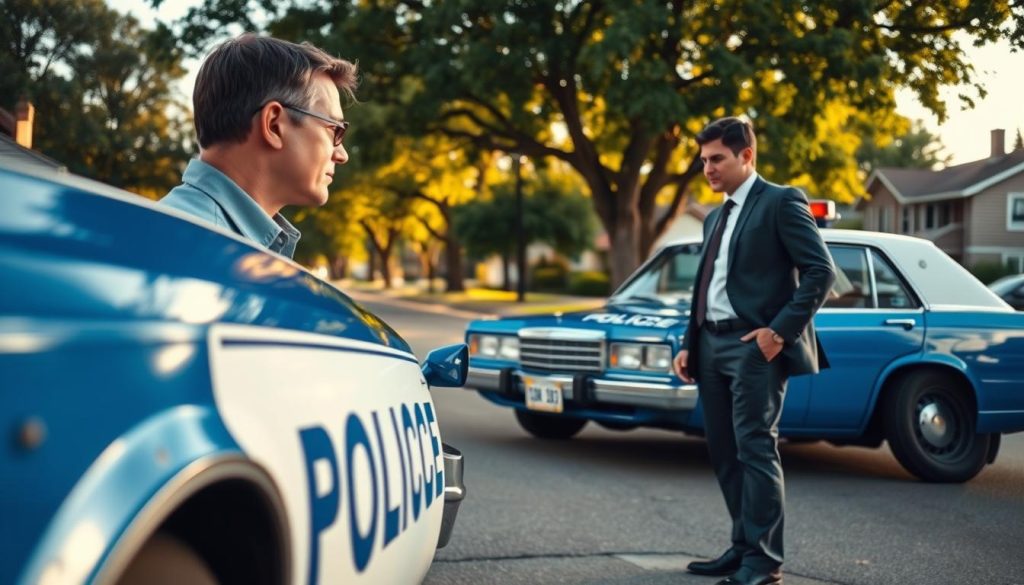
What kinds of retired police vehicles are on the market
Availability often hinges on regional fleet choices and replacement cycles, which makes certain models common at auctions.
Ford Police Interceptor Utility (Explorer-based) dominates modern listings. The police interceptor package adds heavy-duty cooling, reinforced suspension, and space for equipment. Buyers like the SUV size and cargo room for tools or family use.
Dodge Charger Pursuit is popular with state agencies for highway work. Its V8 options and pursuit tuning mean powerful engines and high-speed reliability, but expect pursuit wear and higher maintenance needs.
Ford Crown Victoria Police Interceptor still attracts buyers for its body-on-frame toughness and easy parts sourcing. The crown victoria reputation for durability keeps demand steady among collectors and practical users.
Chevrolet Tahoe PPV and similar patrol SUVs offer roomy interiors and equipment-hauling practicality. These models suit families or tradespeople who accept higher fuel costs for utility.
Pursuit-rated trucks like the Ford F-150 Police Responder serve rural departments. Their off-road and towing capability changes wear patterns compared with city patrol cars, often meaning different value for buyers.
| Model | Best fit | Notes |
|---|---|---|
| Ford Police Interceptor Utility | Families, gear hauling | Explorer-based; roomy, utility-focused |
| Dodge Charger Pursuit | Highway miles, enthusiasts | Pursuit-tuned; powerful engines |
| Ford Crown Victoria | Commuting, collectors | Durable, easy to repair |
| Chevrolet Tahoe PPV | Work use, large families | Spacious, higher fuel use |
| Ford F-150 Police Responder | Rural work, towing | Pursuit-rated truck; different wear |
Quick shortlist: choose sedans for highway work, SUVs for cargo and family needs, and pursuit-rated trucks for off-road or towing duties.
How police cars differ from civilian vehicles
Factory and aftermarket police packages give these vehicles heavier-duty components than typical civilian vehicles.
Mechanical upgrades focus on continuous duty. Expect heavy-duty cooling, high-output alternators, reinforced brakes, tuned suspension, and pursuit-mode transmission programming. These changes help with repeated high-speed runs and long idling spells.
Interior layouts are often utilitarian. Vinyl rear seats, prisoner partitions or cages, column shifters, and missing or altered center console areas are common. Missing center consoles often mean holes, wiring, or mount points where radios and controls used to sit.
Electrical systems need attention. Upgraded power supplies plus leftover wiring and fuse taps from removed equipment create troubleshooting work. Buyers should budget for cleanup and possible rewiring.
- Inspection focus: cooling, alternator output, brakes, and transmission behavior under load.
- Interior check: center console condition, cage mounts, and trim damage.
- Electrical review: trace residual wiring, test charging systems, verify fuses.
| Area | Typical police-spec change | Why it matters | Buyer action |
|---|---|---|---|
| Cooling | Upgraded radiator & fan | Prevents overheating under heavy duty | Pressure-test cooling, inspect hoses |
| Electrical | High-output alternator, extra wiring | Supports lights, radios, amps | Map wiring, remove unused taps |
| Interior | Vinyl seats, cages, missing center console | Affects comfort and resale | Estimate restoration or accept utilitarian fit |
| Drivetrain | Pursuit-tuned transmission, reinforced brakes | Changes shift points, wear patterns | Test under varied load, review service history |
Buyer takeaway: these vehicles can offer value and durability, but they are not just regular used cars. Plan inspections, factor in maintenance and electrical cleanup, and expect interior restoration costs.
Pros and cons of buying retired police cars
Auctions often list former fleet units at deep discounts, but lower price tags reflect several trade-offs. Stigma, heavy use, and “sold as-is” terms push many units below similar civilian values.
Maintenance can be an upside. Many departments follow strict manufacturer service schedules, so detailed records may exist. That can beat private-party history for some buyers.
Idle hours are the main hidden risk. Idle time does not show on the odometer and can cause engine and accessory wear. For context, Ford guidance treats about 1 hour of idling like 33 miles of service.
Patrol duty differs from chief or detective use. Stop-start city runs, curb hits, and long idling leave wear patterns that look fine on paper but create real mechanical issues.
- Fuel economy is often lower due to heavy-duty gearing and weight.
- Replacement parts for upgraded components can cost more despite durable design.
- Other drivers may treat the vehicle like a cop car, which can help or create safety concerns.
| Benefit | Trade-off | Who it fits |
|---|---|---|
| Lower auction price | Sold as-is; unknown hidden wear | Tradespeople, fleets |
| Documented service | Patrol-specific wear patterns | Mechanically savvy buyers |
| Durable components | Higher fuel use and part costs | Users needing toughness |
Decision guide: choose this route for a sturdy workhorse with service records. Skip it if quiet comfort, lower fuel bills, and predictable upkeep matter most.
Where to buy a retired police car and how the process works
Sourcing affects risk: auction lots, specialty dealers, and private listings each bring distinct pros and cons. Choose a channel that matches inspection ability, budget, and tolerance for unknowns.
Government and police auctions
Most auctions list inventory online and require pre-registration. Deposits are common and preview windows let bidders inspect vehicles in person.
Be prepared: many units sell sold as-is. That raises inspection needs and raises your risk tolerance before bidding.
Dealerships that specialize in fleet vehicles
Specialty dealers often handle inspections, minor repairs, and offer limited warranties or service packages. That convenience costs more but reduces post-sale surprises.
Private sellers
Private listings need VIN checks and full maintenance records. Demand a thorough pre-purchase inspection and verify title status to avoid hidden issues.
Questions to ask before bidding
- Idle hours and typical use while in service.
- Whether the unit uses a fleet key or a unique key (budget for replacement).
- What equipment remains: cages, consoles, wiring, spotlights.
- Which departments operated the vehicle and whether service records exist.
| Channel | Best for | Key notes |
|---|---|---|
| Auctions | Bargain hunters | Online listings, deposits, sold-as-is |
| Specialty dealers | Buyers wanting warranty | Inspections, repairs, smoother transfer |
| Private sellers | Record-minded buyers | VIN checks, variable transparency |
Practical key costs: Charger $50–$180, Crown Vic $5–$50, Explorer $20–$130, Tahoe $30–$130. Factor replacement into total budget.
Inspection checklist before purchase: common issues to catch early
A hands-on pre-purchase inspection exposes many hidden wear patterns that odometer readings miss.
Start with engine and transmission. Listen for knocking, ticking, and delayed shifts. Check for oil consumption and fluid leaks. Treat high idle hours as a multiplier of wear when evaluating service records.
Cooling systems are critical on pursuit-rated vehicles. Inspect coolant condition, hoses, radiator fins, and fan operation. For Ford Explorer-based units, ask about water pump replacement history.
Suspension and steering wear shows from curb hits and stop-start patrol use. Look for worn shocks, loose bushings, uneven tire wear, and steering play during a test drive.
Electrical checks: test charging voltage, run accessories, and trace leftover wiring splices. Residual equipment wiring often causes parasitic drains or intermittent faults.
Interior and body clues matter. Search for roof or dash holes from mounts, center console damage, torn upholstery, and seal failures that invite water intrusion.
| Priority | What to check | Red flag |
|---|---|---|
| Engine/Trans | Noise, slips, leaks | Delayed engagement, smoke |
| Cooling | Hoses, fans, coolant | Overheating history |
| Electrical | Charging, wiring | Parasitic drain, splices |
| Body/Interior | Mount holes, console | Rust, water stains |
VIN decoding confirms factory specs, police package identifiers, and service history. Use that data to reconcile reported miles and past use before bidding.
Making a retired police vehicle practical for civilian ownership
The most reliable conversions follow a staged plan: decommission prohibited systems, repair bodywork, then add comfort upgrades. Start by inventorying any remaining equipment and wiring.
Decommissioning essentials
Remove or permanently disable lights and sirens and cut related fuse taps. Trace embedded strobes in headlight or rear modules and replace or isolate them. Patch roof holes and seal mounts to prevent rust and leaks.
Repainting and re-badging
Avoid replica liveries. Repaint to neutral colors, remove official decals, and choose subtle badging. This lowers legal exposure and reduces unwanted attention on public roads.
Comfort and usability upgrades
Restore the center console, tidy wiring, replace panels, and upgrade audio and seating for daily use. Document every modification with photos and receipts for resale or compliance questions.
Choosing models and what to avoid
Match models to intended use and fuel budget: sedans for economy, SUVs for cargo and towing, pursuit platforms for heavy-duty tasks. Beware certain years: Crown Victoria 1998–2002 (transmission, rust) and Charger Pursuit 2006–2010 (electrical). Verify completed repairs in service records.
| Step | Why it matters | Action |
|---|---|---|
| Decommission | Legal risk | Remove lights, disable systems |
| Body repair | Prevent leaks | Patch holes, repaint |
| Comfort | Daily usability | Restore center console, seats, audio |
Conclusion
A well-prepared purchase balances auction savings against the cost of making the vehicle compliant and road-ready.
Legal bottom line: most retired police car models are street-legal after prohibited lights, sirens, and official markings are removed and state rules are followed. Keep decommission receipts and photos.
Adopt a checklist mindset: confirm local codes, verify service history, ask about idle hours, and inspect for leftover wiring or mount damage.
Value note: heavy-duty parts and disciplined maintenance often make these vehicles durable bargains, provided buyers budget for repairs, repainting, and ongoing maintenance.
If numbers still work, favor reputable auctions or dealers and prioritize clear records and clean inspections over the lowest bid.
FAQ
What laws apply when operating an ex-law enforcement vehicle on public roads?
Federal law isn’t the main issue; state and local statutes govern impersonating officers, use of emergency lights, and sirens. Most states ban active-red/blue lighting and functional sirens on civilian vehicles and prohibit distinctive police markings that could mislead the public. Check your state code and local ordinances before driving on public streets.
Are emergency lights and sirens legal after decommissioning?
Generally no. Most jurisdictions require removal or disabling of active emergency lighting and sirens. Some allow nonfunctional replica lights for shows or parades if clearly nonoperational. Keep documentation proving equipment was removed to avoid fines or seizure.
What must be done about decals, paint schemes, and badges?
Departments usually require removal of decals, agency names, badge emblems, and high-contrast police paint schemes before public sale. Repainting or re-badging to a civilian appearance is the safest option to avoid impersonation charges and negative public attention.
Is a decommissioned police vehicle considered “street legal” by default?
Not automatically. “Street legal” means the vehicle meets equipment and registration requirements for civilian use: lights, mirrors, emissions, and safety gear. If prohibited gear remains or the vehicle fails emissions, it may not pass inspection. Vehicles used only on private property or film sets face fewer restrictions, but public-road use requires compliance.
Do state rules differ for buying at auction or through a department sale?
Yes. Auction terms, required paperwork, and state impersonation rules vary. Some agencies sell vehicles “as-is” with no warranty and require completed decommissioning prior to pickup. Always verify local laws and auction conditions before bidding.
Which models are commonly available from law enforcement fleets?
Common retired models include the Ford Crown Victoria Police Interceptor, Ford Police Interceptor Utility (based on the Explorer), Dodge Charger Pursuit, Chevrolet Tahoe PPV, and pursuit-rated trucks like the Ford F-150 Police Responder. Availability varies by region and agency fleet choices.
How do police-spec vehicles differ mechanically from civilian versions?
Fleet vehicles often have heavy-duty cooling systems, uprated alternators, beefier brakes and suspension, and transmission tuning for sustained high-load use. Interiors may feature vinyl rear seats, partitions or cages, column shifters, and deleted center consoles. Electrical systems frequently retain wiring from radios, lights, and sirens.
Why are ex-police cars usually cheaper than similar civilian models?
Price discounts reflect heavy-duty service cycles, high idle hours, pursuit use, and cosmetic wear from fleet duty. Departments rotate vehicles on schedule, which can reduce long-term maintenance surprises, but buyers must weigh potential mechanical and cosmetic repair costs.
How can idle hours affect the vehicle’s condition despite a low odometer reading?
Patrol cars can accumulate many idle hours running radios, lights, and HVAC while stationary. Idle time stresses engines, cooling systems, and alternators and may not reflect on the odometer. Request maintenance logs and ask about fleet duty cycles to assess true wear.
Where are retired police vehicles typically sold, and what should buyers expect?
Sales happen through government and police auctions (online and in-person), specialized dealerships that inspect and refurbish units, and private sellers. Auctions are often “sold as-is” with deposits and registration steps. Dealerships may offer inspections or limited warranties; private sales require VIN checks and thorough inspections.
What key questions should be asked before bidding or buying?
Ask about idle hours, full maintenance records, fleet key status, remaining police equipment, accident history, and whether decommissioning is complete. Confirm whether holes from light bars or dash mounts were repaired and which components were replaced or upgraded.
What inspection checklist items catch common problems early?
Focus on engine and transmission performance, signs of overheating, cooling-system condition, suspension and steering wear, tire patterns from curb hits, charging system health, and residual wiring. Inspect interior and body for mounting holes, cage damage, or cut center consoles. Run the VIN through a vehicle history report for past incidents.
How difficult is it to decommission an ex-fleet vehicle for civilian use?
Decommissioning ranges from simple (removing lights, badging, and wiring) to extensive (repainting, repairing mounting holes, restoring the center console, and replacing police-spec components). Qualified shops can handle electrical clean-up and cosmetic work to make the vehicle compliant and comfortable.
What upgrades improve comfort and resale value for civilian ownership?
Reinstalling a center console, upgrading audio and infotainment, replacing vinyl rear seats with cloth or leather, addressing suspension tuning for smoother ride, and repainting to a non-police color all improve comfort and marketability. Addressing mechanical issues with OEM or upgraded parts also helps resale value.
Which retired models should buyers avoid because of recurring problems?
Problem years vary by model. Research common issues for specific VIN ranges—fuel system recalls, transmission trouble, or chronic electrical faults can make certain years less desirable. Use VIN checks, owner forums, and recall databases to identify trouble-prone model years before purchase.
Does previous role (chief car vs patrol unit) affect value?
Yes. Chief or detective vehicles often show lighter use, lower idle hours, and more options, raising resale value. Purpose-built patrol cars usually have more wear but also heavy-duty components that may be desirable for towing or fleet-style use. Confirm history to match condition with price.
Are there specific registration or insurance hurdles for ex-police vehicles?
Insurers may require disclosure of former fleet use and will price policies based on model, year, and history. Registration requires standard title transfer and emissions checks where applicable. In some states, additional inspections ensure removed emergency equipment and compliance with vehicle codes.