Modern drivers in the United States seek better energy choices today. Switching systems offers a solid path toward higher power. This process lets engines perform using clean resources very well.
It reduces the carbon footprint while helping the local economy. Many owners enjoy the boost in torque that comes with such a change.
Using ethanol E85 provides a high-octane option in most vehicles. It burns much cleaner than standard gas found at pumps. A person can modify car for alcohol fuel with simple tools and a bit of time to save money.
This specific liquid keeps the motor cooler during heavy use. It is a great choice among those who value both speed and the earth.
Our guide shows the main parts needed during a successful upgrade. The text covers technical details and safety regarding ethanol E85.
Prepare the vehicle toward a greener and more powerful future on the open road. Following these steps will ensure your machine stays reliable over time.
Key Takeaways
- Gain higher octane for improved performance.
- Reduce emissions with clean plant-based liquids.
- Maintain lower engine temperatures during use.
- Support the local American energy economy.
- Increase power in modern injection motors.
- Switch to renewable pump options easily.
Understanding Alcohol Fuel and Vehicle Compatibility
Before modifying your car to use alcohol fuel, it’s crucial to grasp the fundamentals of alcohol fuel and assess your vehicle’s compatibility. Alcohol fuel, primarily in the form of ethanol or methanol, offers a cleaner alternative to traditional gasoline. However, its implementation requires a comprehensive understanding of its properties and how it interacts with your vehicle’s engine.
What Is Alcohol Fuel and How Does It Work in Engines
Alcohol fuel is an alternative to gasoline that can be used to power internal combustion engines. It is derived from biological materials such as plants and agricultural waste. Ethanol, a common type of alcohol fuel, is produced through the fermentation of sugars and starches found in crops like corn and sugarcane. When used in engines, alcohol fuel requires adjustments due to its different combustion characteristics compared to gasoline.
The combustion process of alcohol fuel involves a different air-fuel mixture and ignition timing than gasoline. Alcohol fuels have a higher octane rating, which can allow for more efficient combustion under certain conditions. However, they also have a lower energy density, meaning more fuel is required to travel the same distance as gasoline.
Ethanol E85 versus Methanol: Key Differences
Ethanol E85 and methanol are two types of alcohol fuels used in vehicles. Ethanol E85 is a blend of 85% ethanol and 15% gasoline, designed for use in flex-fuel vehicles. Methanol, on the other hand, is a more corrosive and toxic alcohol that requires specialized handling and engine modifications.
The key differences between ethanol E85 and methanol lie in their production processes, energy density, and compatibility with engine components. Ethanol E85 is generally considered safer and more compatible with existing engine technology, while methanol offers potentially higher efficiency but poses greater risks due to its toxicity and corrosiveness.
Determining If Your Vehicle Is a Good Conversion Candidate
Not all vehicles are suitable for conversion to alcohol fuel. The decision to convert depends on several factors, including the vehicle’s make, model, and engine type. Flex-fuel vehicles are typically good candidates because they are designed to run on a variety of fuel blends, including ethanol E85.
To determine if your vehicle is a good candidate, you should assess its engine condition, fuel system components, and compatibility with alcohol fuel. Consulting with a professional mechanic or a conversion specialist is advisable to evaluate your vehicle’s suitability for conversion.
Flex Fuel Vehicles versus Standard Gasoline Engines
Flex-fuel vehicles are designed to operate on a range of fuel blends, from pure gasoline to E85 or other alcohol-gasoline mixtures. These vehicles have modified engine components and fuel systems that can handle the corrosive properties of alcohol fuels.
In contrast, standard gasoline engines are not designed to handle high concentrations of alcohol fuels without modifications. Converting a standard gasoline engine to run on alcohol fuel requires significant changes to the fuel system, engine management system, and sometimes the engine itself.
Essential Components and Tools for Conversion
The process of converting your car to alcohol fuel involves several key components and tools that are crucial for a successful modification. Understanding these elements is vital to ensure a smooth transition and optimal performance of your vehicle.
Fuel System Components: Lines, Pumps, and Injectors
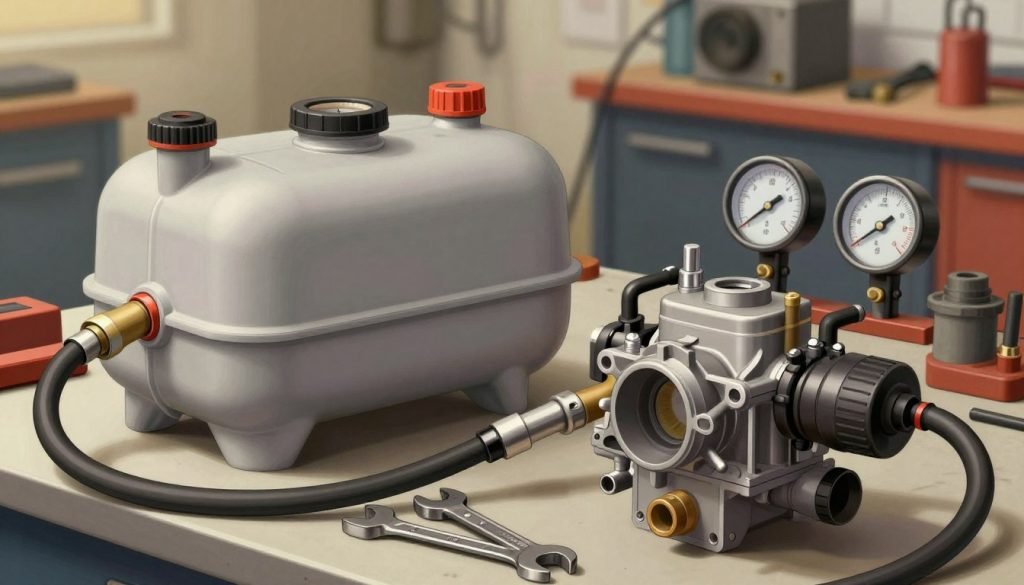
The fuel system is a critical area that requires modification when converting to alcohol fuel. Alcohol fuels are corrosive and have different properties than gasoline, necessitating changes to fuel lines, pumps, and injectors.
Fuel lines need to be resistant to the corrosive nature of alcohol fuels. Materials like stainless steel or specialized synthetic rubber are recommended. The fuel pump must also be upgraded to handle the higher flow rates required for alcohol fuels, which have lower energy density than gasoline.
Fuel injectors may need to be replaced or modified to accommodate the different flow characteristics of alcohol fuels. Larger injectors or those specifically designed for alcohol fuel use can help ensure proper engine performance.
Engine Management and Tuning Equipment
Engine management systems play a crucial role in optimizing engine performance for alcohol fuels. This may involve reprogramming the Engine Control Unit (ECU) or installing an aftermarket engine management system that can adjust parameters like fuel injection timing and air-fuel mixture.
Tuning equipment, such as wideband oxygen sensors and fuel pressure regulators, are essential for fine-tuning the engine’s performance on alcohol fuel. These tools help in achieving the optimal air-fuel ratio and ensuring the engine runs smoothly.
Safety Equipment and Protective Gear
Safety is paramount when working with alcohol fuels, which can be hazardous if not handled properly. Essential safety equipment includes protective gear like gloves, goggles, and a fire extinguisher rated for alcohol fires.
Proper ventilation is also crucial when working with alcohol fuels. A well-ventilated workspace can prevent the accumulation of vapors and reduce the risk of fire or explosion.
Cost Breakdown and Return on Investment
The cost of converting a car to run on alcohol fuel can vary widely depending on the vehicle, the type of alcohol fuel being used, and the extent of the modifications required.
| Component | Estimated Cost |
|---|---|
| Fuel System Components | $500 – $1,500 |
| Engine Management and Tuning | $800 – $2,000 |
| Safety Equipment | $200 – $500 |
| Total Estimated Cost | $1,500 – $4,000 |
The return on investment for an alcohol fuel conversion depends on several factors, including the cost of alcohol fuel relative to gasoline, the vehicle’s fuel efficiency, and the total distance driven. In many cases, the conversion can pay for itself over time through fuel savings.
How to Modify Your Car for Alcohol Fuel
Modifying your car to run on alcohol fuel is a multi-step process that requires careful planning and execution. This guide will walk you through the essential steps to successfully convert your vehicle.
Step 1: Conduct a Complete Vehicle Assessment and Safety Check
Before starting the conversion, it’s crucial to assess your vehicle’s current condition and compatibility with alcohol fuel. Check the engine type, fuel system components, and electrical systems to identify potential issues.
- Inspect the engine and fuel system for any signs of wear or damage.
- Check the vehicle’s maintenance history and review any previous repairs.
- Ensure all safety features are functioning properly.
Step 2: Replace Incompatible Fuel Lines and Gaskets
Alcohol fuel can be corrosive to certain materials used in standard gasoline fuel systems. Replacing incompatible fuel lines and gaskets is essential to prevent leaks and damage.
Key components to replace:
- Fuel lines: Switch to alcohol-resistant materials like stainless steel or Viton.
- Gaskets and seals: Use alcohol-compatible materials to prevent deterioration.
Step 3: Upgrade the Fuel Pump for Higher Flow Rates
Alcohol fuels require a higher flow rate than gasoline due to their lower energy density. Upgrading the fuel pump is necessary to ensure adequate fuel supply.
Considerations for fuel pump upgrade:
- Choose a fuel pump that is compatible with alcohol fuel.
- Ensure the pump can handle the increased flow rate required.
- Install a fuel pump with a higher pressure rating if necessary.
Step 4: Modify Fuel Injectors or Carburetor Jets
Fuel injectors or carburetor jets need to be modified to accommodate the different stoichiometric ratio of alcohol fuels.
- For fuel-injected engines, consider upgrading to larger injectors or modifying the existing ones.
- For carbureted engines, adjust or replace the carburetor jets to achieve the correct air-fuel mixture.
Step 5: Reprogram the Engine Control Unit
The Engine Control Unit (ECU) needs to be reprogrammed to adjust for the different characteristics of alcohol fuel, including ignition timing and fuel injection rates.
Reprogramming options:
- Use a standalone engine management system for more flexibility.
- Reflash the existing ECU with alcohol fuel-specific settings.
Step 6: Adjust Ignition Timing and Spark Plugs
Alcohol fuels have different combustion characteristics than gasoline, requiring adjustments to ignition timing and spark plugs.
- Advance the ignition timing to optimize combustion.
- Use spark plugs with a colder heat range to prevent fouling.
Critical Engine Adjustments and Tuning
After converting your vehicle to run on alcohol fuel, critical engine adjustments are necessary to ensure optimal performance and efficiency. Alcohol fuels, such as ethanol and methanol, have different combustion characteristics compared to gasoline, requiring specific engine tuning to maximize their potential.
Air-Fuel Ratio Calibration for Alcohol Combustion
One of the most critical adjustments is the air-fuel ratio calibration. Alcohol fuels require a different air-fuel mixture than gasoline. Typically, alcohol fuels need a richer mixture due to their lower stoichiometric air-fuel ratio. For instance, ethanol requires about 9:1 air-fuel ratio compared to gasoline’s 14.7:1. Proper calibration ensures complete combustion, maximizing power and minimizing emissions.
Key considerations for air-fuel ratio calibration include:
- Understanding the stoichiometric air-fuel ratio of the chosen alcohol fuel
- Adjusting fuel injectors or carburetor jets accordingly
- Using a wideband oxygen sensor to monitor and adjust the air-fuel mixture in real-time
Compression Ratio Optimization Benefits
Alcohol fuels have a higher octane rating than gasoline, allowing for increased compression ratios without the risk of engine knock or pinging. Increasing the compression ratio can significantly improve engine efficiency and power output. However, this requires careful consideration of engine components and potentially modifying the engine to withstand higher pressures.
| Fuel Type | Octane Rating | Typical Compression Ratio |
|---|---|---|
| Gasoline | 87-91 | 8:1 – 10:1 |
| Ethanol (E85) | 100-105 | 10:1 – 12:1 |
| Methanol | 99-100 | 12:1 – 14:1 |
Cold Start System Installation and Configuration
Alcohol fuels can be challenging to ignite in cold conditions due to their higher heat of vaporization compared to gasoline. A cold start system, which can include components like auxiliary fuel injectors or a separate cold start fuel tank, is essential for reliable engine starting in low temperatures.
Key components of a cold start system:
- Auxiliary fuel injectors or a cold start fuel injector
- Cold start fuel tank or reservoir
- Control circuitry to activate the cold start system
Corrosion Protection for Fuel System Components
Alcohol fuels are more corrosive than gasoline and can damage certain materials used in fuel system components. Ensuring that all fuel system components are compatible with alcohol fuels is crucial. This may involve replacing certain parts with alcohol-resistant materials or applying protective coatings.
- Stainless steel for fuel lines and fittings
- Alcohol-resistant seals and gaskets
- Coatings for metal components
Testing, Troubleshooting, and Compliance
With the conversion complete, the next step involves a comprehensive test drive and performance verification to ensure your vehicle is running correctly on alcohol fuel. This phase is critical to identify any issues that may have arisen during the conversion process.
Initial Test Drive and Performance Verification
The initial test drive is essential to verify that your vehicle is operating as expected after the conversion. Start by checking for any signs of trouble, such as unusual noises, vibrations, or warning lights on the dashboard. Monitor the vehicle’s performance under various conditions, including idling, acceleration, and cruising at different speeds.
Pay particular attention to how the engine responds to different driving conditions. If you notice any hesitation, stumbling, or lack of power, it may indicate a problem with the fuel system or engine tuning that needs to be addressed.
Diagnosing Common Conversion Problems
Despite careful planning and execution, issues can still arise after converting your vehicle to alcohol fuel. Common problems include fuel system leaks, incorrect air-fuel mixture, and ignition timing issues. A systematic approach to diagnosing these problems is essential.
Use diagnostic tools and techniques to identify the root cause of any issues. For example, a scan tool can help you monitor engine parameters and identify any fault codes stored in the engine control unit (ECU).
| Common Issues | Symptoms | Potential Solutions |
|---|---|---|
| Fuel System Leaks | Fuel smell, decreased performance | Inspect fuel lines and connections, replace damaged components |
| Incorrect Air-Fuel Mixture | Poor engine performance, decreased fuel efficiency | Adjust air-fuel ratio, check for vacuum leaks |
| Ignition Timing Issues | Engine knock or pinging, decreased performance | Adjust ignition timing, check for faulty ignition components |
EPA Emissions Standards and Legal Requirements
After converting your vehicle to alcohol fuel, it’s essential to ensure compliance with EPA emissions standards and other legal requirements. The EPA regulates emissions from vehicles to protect the environment and public health.
Check with local authorities to determine the specific regulations that apply to your vehicle and location. You may need to have your vehicle inspected or certified to ensure it meets emissions standards.
Fuel Availability and Long-Term Maintenance Considerations
Before converting your vehicle to alcohol fuel, consider the availability of fueling stations in your area. While ethanol is widely available, methanol is less common. Plan your fueling strategy accordingly.
Long-term maintenance is also crucial. Alcohol fuel can be corrosive to certain materials, so regularly inspect your fuel system components for signs of wear or damage. Replace any components as needed to prevent issues.
Conclusion
Modifying your car to run on alcohol fuel can be a cost-effective and environmentally friendly decision. The alcohol fuel conversion benefits include reduced dependence on fossil fuels and lower emissions. By following the steps outlined in this guide, you can successfully convert your vehicle to run on alcohol fuel.
The summary of the conversion process involves assessing your vehicle’s compatibility, replacing incompatible fuel system components, upgrading the fuel pump, modifying fuel injectors, and reprogramming the engine control unit. Additionally, critical engine adjustments and tuning are necessary to ensure optimal performance and efficiency.
By understanding the key differences between ethanol E85 and methanol, and determining if your vehicle is a good conversion candidate, you can make an informed decision about the conversion process. With the right tools and knowledge, you can enjoy the benefits of alcohol fuel conversion while maintaining your vehicle’s performance and reliability.
FAQ
Can any modern vehicle be converted to run on E85 or methanol?
While most modern fuel-injected vehicles are candidates, the ease of conversion depends on the existing hardware. Vehicles with Returnless Fuel Systems or those using high-pressure Direct Injection, such as those found in Volkswagen TSI or Ford EcoBoost engines, require more sophisticated management than older port-injected models. It is essential to verify that your vehicle’s Engine Control Unit (ECU) can be remapped or supplemented by a piggyback system like the eFlexFuel or ProFlex commander.
What are the primary hardware upgrades needed for a reliable alcohol conversion?
The most critical upgrades involve the fuel delivery system. Because Ethanol has a lower energy density than gasoline, you need approximately 30% to 35% more fuel flow. This typically requires high-flow injectors from brands like Injector Dynamics or Bosch, and a high-volume fuel pump such as the Walbro 450 (TIA485-2). Additionally, original rubber lines should be replaced with PTFE-lined fuel hoses to prevent degradation caused by the corrosive nature of alcohol.
How does switching to alcohol fuel affect engine performance and octane ratings?
Converting to E85 significantly boosts the Octane Rating—typically to 105 or higher—allowing for much more aggressive Ignition Timing and higher boost levels in turbocharged engines. This is due to the high Latent Heat of Vaporization, which cools the intake charge and reduces the risk of engine knock. Professional tuners often use platforms like Cobb Tuning or HP Tuners to extract significant horsepower gains that are unattainable on standard 91 or 93 pump gas.
Will alcohol fuel cause long-term corrosion in my engine?
Alcohol is hygroscopic, meaning it absorbs moisture from the air, which can lead to Corrosion if the vehicle sits idle for long periods. To mitigate this, owners should use Fuel Stabilizers specifically formulated for ethanol, such as Lucas Oil Safeguard, and ensure that all gaskets and seals are made of synthetic elastomers like Viton, which are resistant to chemical breakdown.
Are there specific spark plugs recommended for alcohol-burning engines?
Yes, because alcohol fuel burns differently and allows for higher cylinder pressures, it is often necessary to switch to a “colder” heat range spark plug. Leading manufacturers like NGK and Denso provide specialized iridium plugs that can handle the increased thermal loads while preventing pre-ignition. Proper Spark Plug Gapping is also vital to ensure a consistent flame front in the denser air-fuel mixture.
How do I handle cold starting issues common with high ethanol blends?
Ethanol has a higher flash point than gasoline, which can make Cold Starts difficult in temperatures below 50°F. Most conversion systems address this by modifying the Cranking Enrichment tables in the software. In extreme climates, many users rely on a Flex Fuel Sensor (manufactured by Continental or GM) that detects the exact ethanol percentage and automatically adjusts the fueling and timing for reliable ignition regardless of the temperature.
Is an alcohol fuel conversion legal for street use under EPA guidelines?
In the United States, modifying a vehicle’s emission-controlled fuel system is regulated by the Environmental Protection Agency (EPA). While many enthusiasts perform these modifications for track or off-road use, street-legal conversions generally require a certified Conversion Kit that has been documented to meet Clean Air Act standards. Always check your local state laws and CARB (California Air Resources Board) executive orders if you reside in California before proceeding with a permanent modification.