The upkeep of your vehicle’s braking apparatus is paramount for the safety of all road users. Disregarding brake fluid service can precipitate a cascade of dire outcomes, including diminished braking efficacy and an elevated accident risk.
For proprietors of BMWs, the imperative of punctual brake fluid maintenance cannot be overstated. An overdue brake service threatens the integrity of the entire braking mechanism, jeopardizing the safety of both the driver and other road users.
This discourse aims to elucidate the significance of brake fluid service and the requisite actions for those whose service is in arrears. We will dissect the repercussions of neglecting this critical maintenance duty and offer guidance on sustaining your BMW’s braking functionality.
Key Takeaways
- Understanding the importance of timely brake fluid maintenance
- Recognizing the risks associated with overdue brake service
- Learning how to address an overdue brake service
- Tips for maintaining your BMW’s braking system
- Best practices for ensuring your vehicle’s safety features are preserved
Understanding BMW Brake Fluid and Service Intervals
For BMW owners, grasping the significance of brake fluid and adhering to recommended service intervals is paramount. This ensures the vehicle’s braking system functions optimally. Brake fluid is a critical component, facilitating the transfer of pressure to the brake calipers. This enables the vehicle to stop smoothly and safely.
What is Brake Fluid and Its Function in BMW Vehicles
Brake fluid, a hydraulic fluid, is integral to the braking system of BMW vehicles. It plays a pivotal role in transferring pressure from the brake pedal to the brake calipers. The calipers then clamp the brake pads onto the rotors, slowing or stopping the vehicle. The quality and condition of the brake fluid are crucial for the optimal performance of the braking system. As “Brake fluid is essential for the proper functioning of the vehicle’s brakes, and its condition directly impacts the safety and performance of the vehicle.”
The brake fluid used in BMW vehicles is typically a synthetic fluid that meets specific standards, such as DOT 4 or DOT 5.1. It’s designed to withstand high temperatures and maintain its viscosity under various conditions. Over time, brake fluid can become contaminated with moisture and debris. This can lead to a decrease in its performance and potentially cause damage to the braking system.
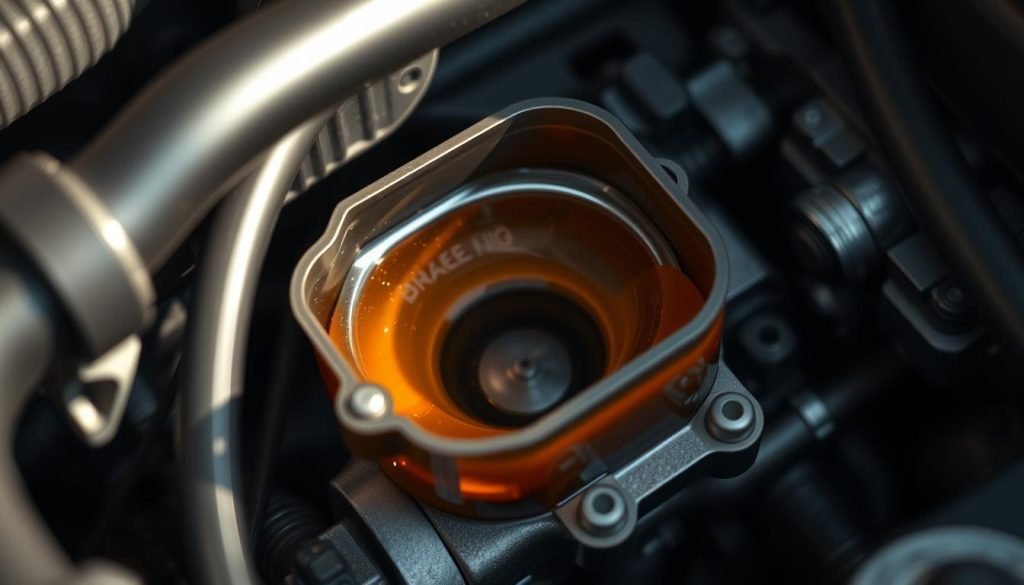
BMW’s Recommended Brake Fluid Service Intervals by Model
BMW recommends servicing the brake fluid at specific intervals, which vary depending on the model and year of the vehicle. Generally, BMW suggests that the brake fluid should be changed every 2 to 3 years or when the vehicle reaches a certain mileage, typically around 30,000 to 50,000 miles. It’s essential to consult the owner’s manual or the vehicle’s maintenance schedule for the most accurate information.
Different BMW models may have different service intervals. For instance, some newer models equipped with advanced driving technologies might require more frequent brake fluid changes due to the complex systems involved. As a BMW owner, it’s crucial to be aware of these recommendations to maintain the vehicle’s warranty and ensure optimal performance.
How the BMW iDrive and Service Warning System Works
The BMW iDrive system is an advanced infotainment and control system that integrates various vehicle functions, including the service warning system. This system monitors the vehicle’s condition and alerts the driver when maintenance is required, such as when the brake fluid needs to be serviced.
When the brake fluid level is low or its condition is deteriorating, the iDrive system will display a warning message on the dashboard. This could be in the form of a CBS (Condition Based Service) message, indicating that the brake fluid service is due or overdue. The system is designed to help BMW owners stay on top of their vehicle’s maintenance needs, ensuring the vehicle remains in good condition and minimizing the risk of unexpected issues.
“Regular maintenance, including brake fluid service, is vital for the longevity and performance of your BMW. By staying informed and adhering to the recommended service intervals, you can ensure your vehicle continues to deliver the driving experience you expect.”
Signs Your BMW Brake Fluid Service is Overdue
As a BMW proprietor, it is imperative to discern the indicators that your brake fluid service necessitates attention to ensure your safety on the road. BMW’s sophisticated braking systems heavily depend on high-quality brake fluid for optimal functionality. Degraded or inadequately maintained brake fluid can precipitate a multitude of issues, compromising your vehicle’s performance and safety.
Dashboard Warning Lights and CBS (Condition Based Service) Messages
The illumination of dashboard warning lights and CBS messages serves as a primary indicator that your BMW’s brake fluid service is overdue. The Condition Based Service system, a cutting-edge feature in BMW vehicles, monitors various service requirements, including brake fluid condition. Upon detecting the need for brake fluid servicing, the system alerts you via a message on your iDrive screen.
Common CBS messages related to brake fluid service include:
- Brake Fluid Level Low
- Brake Pad Wear Warning
- Service Required: Brake System
It is crucial not to disregard these messages, as they signify that your brake system requires immediate attention.
Changes in Brake Pedal Feel and Response
A discernible alteration in the feel or response of your brake pedal signals that your brake fluid service may be overdue. Brake fluid contamination or degradation can impair hydraulic pressure in your brake system, manifesting as a spongy or soft brake pedal. In some instances, the pedal may feel firmer than usual, or you might experience a vibration when applying the brakes.
“A spongy brake pedal is often a symptom of air or moisture in the brake system, which can be resolved with a brake fluid flush.”
Decreased Braking Performance and Longer Stopping Distances
Should you observe that your BMW requires longer to stop or that braking performance is less responsive than expected, it is a clear indication that your brake fluid service is overdue. Deteriorated brake fluid can significantly reduce braking efficiency, posing a substantial risk in emergency stopping situations.

Visual Inspection Indicators of Deteriorated Brake Fluid
A visual inspection of your BMW’s brake fluid can also reveal signs that service is overdue. Healthy brake fluid is typically clear or slightly yellowish in color. If the fluid appears dark, dirty, or contains visible contaminants, it necessitates replacement.
| Brake Fluid Condition | Color | Recommended Action |
|---|---|---|
| Good | Clear or Light Yellow | No Action Required |
| Contaminated | Dark or Dirty | Flush and Replace |
Regularly inspecting your brake fluid condition and being cognizant of the signs that indicate overdue service is essential to maintain your BMW’s safety and performance. If you are uncertain about the condition of your brake fluid or notice any of the aforementioned signs, it is advisable to consult a professional BMW mechanic or visit a dealership for a comprehensive inspection and service.
What Happens When Your BMW Brake Fluid Service is Overdue
Disregarding the BMW brake fluid service intervals can severely impair the vehicle’s braking system. The brake fluid’s pivotal role in brake functionality is compromised when service is delayed. This can precipitate a cascade of issues, jeopardizing both safety and performance.
Brake System Failure Risks and Scenarios
Brake system failure is a dire consequence of neglected brake fluid service. Brake fluid degradation, a natural process over time, diminishes its efficacy. This results in suboptimal brake performance, manifesting as prolonged stopping distances and heightened accident risk.
- Insufficient brake pressure
- Spongy brake pedal
- Inconsistent braking performance
Corrosion and Internal Damage to ABS Components
Brake fluid service lapses can induce corrosion and internal damage to the Anti-lock Braking System (ABS) components. Brake fluid’s propensity for moisture absorption can catalyze ABS module corrosion, potentially culminating in system failure. This not only imperils the ABS but also jeopardizes interconnected systems.
Regular maintenance is paramount to avert such damage and preserve ABS component longevity.
Impact on Electronic Stability Control and Brake Assist Systems
The electronic stability control and brake assist systems are intricately connected with the brake fluid and ABS. Inadequate brake fluid maintenance can impair these systems’ functionality, compromising vehicle stability and safety. Such impairment is perilous, notably in adverse weather or emergency maneuvers.
| System | Impact of Overdue Brake Fluid Service |
|---|---|
| Electronic Stability Control | Reduced stability, increased risk of skidding |
| Brake Assist | Decreased effectiveness in emergency braking |
Long-term Reliability Issues and Warranty Considerations
Overlooking brake fluid service can engender long-term reliability concerns. Failing to adhere to maintenance schedules may also invalidate warranties, as manufacturers often stipulate regular maintenance as a warranty prerequisite.
BMW owners must prioritize adherence to recommended service intervals to safeguard vehicle reliability and warranty integrity.
DIY BMW Brake Fluid Flush: Step-by-Step Guide
Executing a DIY BMW brake fluid flush is paramount for maintaining the vehicle’s braking efficacy. This endeavor necessitates a series of pivotal actions, from the procurement of requisite tools and materials to the resetting of the service indicator post-flush.
Tools and BMW-Specific Materials Needed
To adeptly undertake a DIY brake fluid flush on your BMW, acquisition of specialized tools and materials is imperative. These include:
- A brake bleeding kit compatible with your BMW model
- BMW-approved brake fluid (typically DOT 4 or DOT 5.1, depending on the model)
- A clear plastic tube for bleeding
- A container to catch the old brake fluid
- A scan tool or BMW-specific diagnostic equipment for resetting the service indicator
Preparation Steps and Safety Precautions
Antecedent to initiating the DIY brake fluid flush, prioritization of safety and preservation of your BMW’s brake system is essential. Adherence to the following preparatory measures is advised:
- Don protective gloves and eyewear to avert exposure to brake fluid.
- Verify the vehicle’s positioning on a level surface and activate the parking brake.
- Elevate the vehicle and support it with jack stands if deemed necessary.
- Refer to your BMW’s repair manual for specific instructions and precautions.
Bleeding Process Instructions
The bleeding process is critical to the removal of old brake fluid and air from the system. This entails:
Front Brakes Procedure (Including DSC/ABS Units)
The front brakes’ process typically involves:
- Attaching the bleeding kit to the front brake calipers
- Pumping the brake pedal to circulate the new brake fluid
- Opening the bleed valve to release old fluid and air
- Repeating the process until clean fluid flows
Rear Brakes Procedure
The rear brakes follow a similar process, with specific attention to:
- Ensuring the rear calipers are properly bled
- Checking for any air or old fluid in the lines
- Utilizing the bleeding kit according to the manufacturer’s instructions
Refilling with the Correct Fluid Type and Testing
Post-bleeding, replenishment of the reservoir with BMW-approved brake fluid is imperative. Subsequent to this, a thorough testing of the brakes is necessary to affirm their functionality.
Resetting Service Indicator Using BMW Tools or OBD Scanners
Utilizing a BMW-specific scan tool or OBD scanner to reset the brake fluid service indicator is the final step. This action is crucial for updating your vehicle’s service records and extinguishing dashboard warning lights.
Adherence to this step-by-step guide empowers BMW owners to successfully execute a DIY brake fluid flush, thus ensuring the vehicle’s performance and safety are maintained.
Professional Service Options and Costs for BMW Owners
BMW owners seeking professional assistance must grasp the nuances of service options and their financial implications. The dichotomy between a BMW dealership and an independent BMW specialist profoundly influences both cost and service quality.
BMW Dealership vs. Independent BMW Specialist Comparison
BMW dealerships, renowned for their unparalleled expertise and authenticity, employ OEM parts and adhere to manufacturer guidelines. This commitment, while ensuring premium service, elevates costs.
Independent BMW specialists, conversely, offer competitive pricing without sacrificing quality. They may opt for aftermarket parts or provide bespoke services, catering to the unique needs of specific BMW models.
What to Expect During Professional Brake Fluid Service
During a professional brake fluid service, technicians meticulously inspect the brake system, then flush and replace the old fluid with BMW-approved alternatives. The process also includes bleeding the brakes to eliminate air that may have infiltrated during the service.
The service entails several key steps:
- Inspection of brake fluid condition and level
- Flushing of the brake system
- Bleeding of the brakes
- Refilling with the correct type of brake fluid
Average Cost Breakdown by BMW Series
The expense of brake fluid service varies across BMW models and series. Below is a general cost breakdown:
| BMW Series | Average Cost |
|---|---|
| 3-Series | $150-$300 |
| 5-Series | $200-$400 |
| X Models | $250-$450 |
Questions to Ask Your BMW Mechanic Before Service
Before entrusting your BMW to service, posing pertinent questions is imperative to guarantee optimal service. Key inquiries include:
- What type of brake fluid will be used?
- Will you be using OEM or aftermarket parts?
- Can you provide a detailed estimate of the costs involved?
- How will you ensure the brake system is properly bled?
Preventative Maintenance Tips to Avoid Future Overdue Services
To circumvent the necessity for overdue brake fluid services, adopt these preventative maintenance strategies:
- Regularly check your brake fluid level and condition
- Keep track of your vehicle’s service schedule
- Address any issues with your brake system promptly
- Consider setting reminders for upcoming service dates
Conclusion
Ensuring timely BMW brake fluid maintenance is paramount for the safety and dependability of your vehicle’s braking apparatus. The consequences of neglecting this service are dire, manifesting as diminished braking efficacy, elongated stopping intervals, and the risk of catastrophic failure of the brake system.
Recognizing the indicators of overdue brake fluid service, such as dashboard alerts and alterations in brake pedal sensation, empowers you to proactively uphold your BMW’s braking capabilities. Whether you elect to undertake a DIY brake fluid flush or prefer professional intervention, the imperative of prompt service cannot be overstated.
Adherence to a regimen of regular BMW brake fluid maintenance transcends mere vehicle upkeep, serving as a bulwark against future reliability concerns. By diligently attending to brake fluid service, you ensure a safer and more dependable driving experience within your BMW.
FAQ
What is the recommended brake fluid service interval for my BMW?
The interval for servicing brake fluid on BMWs is model-specific. Generally, it is advisable to service the brake fluid every 12,000 to 30,000 miles or annually to biennially, contingent upon driving habits and the Condition Based Service (CBS) system’s assessment.
How do I know if my BMW’s brake fluid service is overdue?
Indicators of overdue brake fluid service include dashboard warning lights or CBS notifications. Refer to your owner’s manual or seek advice from a BMW dealership or independent specialist for precise guidance.
Can I perform a DIY brake fluid flush on my BMW?
DIY brake fluid flushes are feasible on BMWs, provided the correct procedure is followed and the appropriate brake fluid is utilized. Consult a repair manual or online resources for detailed instructions.
What are the risks of neglecting BMW brake fluid service?
Ignoring brake fluid service can precipitate brake system failure, ABS component corrosion, and adverse effects on electronic stability control and brake assist systems. Such neglect compromises road safety.
How much does a professional BMW brake fluid service cost?
The cost of professional BMW brake fluid service fluctuates based on model and service provider. Typically, it ranges from 0 to 0, influenced by the BMW series and service provider’s pricing structure.
Should I have my BMW brake fluid service done at a dealership or independent specialist?
Both dealerships and independent specialists can perform BMW brake fluid services. Dealerships offer brand-specific expertise, whereas independent specialists may provide more competitive pricing. Evaluate prices, warranty, and convenience when making your decision.
How do I reset the service indicator after a BMW brake fluid service?
Resetting the service indicator post-brake fluid service necessitates the use of BMW-specific tools or OBD scanners. Refer to your owner’s manual or contact a BMW dealership or independent specialist for the appropriate reset procedure.
What type of brake fluid is recommended for my BMW?
BMW advocates for the use of DOT 4 brake fluid that meets the vehicle’s specific criteria. Consult your owner’s manual or contact a BMW dealership or independent specialist to verify the correct brake fluid type for your vehicle.