When your air conditioning unit fails to cool after an AC recharge, it can be frustrating and uncomfortable. Understanding the causes and fixes for this issue is crucial to restoring your refrigerant system’s efficiency.
Cooling issues can arise from various factors, including leaks in the refrigerant system or blockages within the AC unit. Effective troubleshooting involves identifying these problems and applying the necessary fixes.
By addressing the root causes of the cooling issues, you can ensure your AC unit operates efficiently and effectively.
Key Takeaways
- Identify potential leaks or blockages in the refrigerant system.
- Understand the importance of proper AC recharge procedures.
- Recognize the signs of refrigerant system failures.
- Apply effective troubleshooting techniques for cooling issues.
- Restore your AC unit’s efficiency with the right fixes.
Understanding AC Recharge and Cooling Issues
Delving into the world of AC refrigerant systems can reveal why cooling issues persist even after a recharge. The process of recharging an air conditioning system is often seen as a straightforward solution to cooling problems, but it can be more complex.
How AC Refrigerant Systems Work
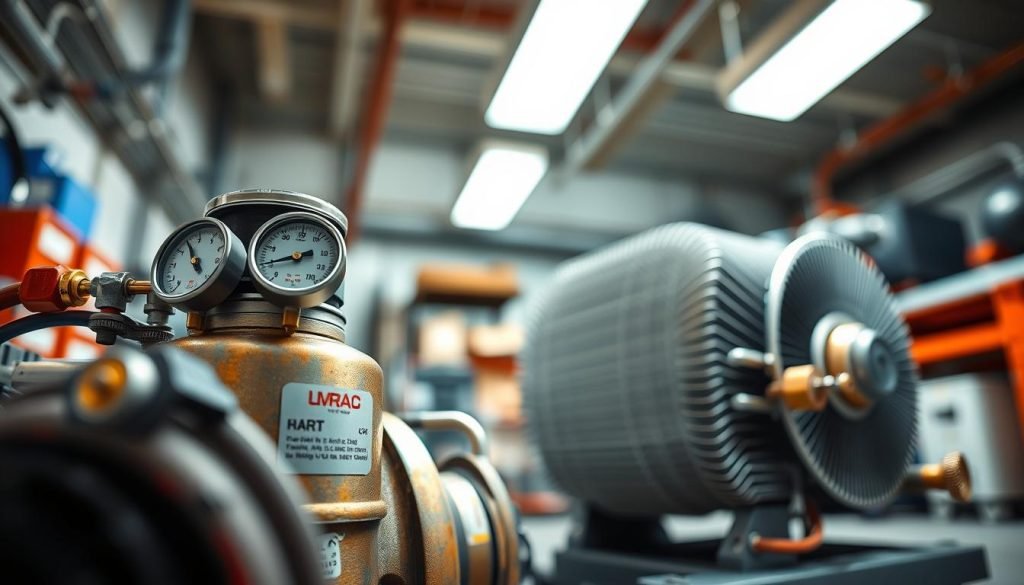
An AC refrigerant system operates by transferring heat from the interior of a building to the outside environment. This process involves a refrigerant that changes state from liquid to gas as it absorbs and releases heat.
The system consists of several key components: the compressor, condenser, expansion valve, and evaporator. Each plays a crucial role in the refrigerant cycle, ensuring that the system cools effectively.
The Refrigerant Cycle Explained
The refrigerant cycle is the backbone of any air conditioning system. It begins with the compressor, which compresses the refrigerant, raising its temperature and pressure.
The hot, high-pressure gas then flows to the condenser, where it releases its heat to the surrounding environment and condenses into a liquid. This liquid passes through the expansion valve, which reduces its pressure and allows it to expand.
The cold, low-pressure liquid then enters the evaporator, where it absorbs heat from the surrounding air and evaporates into a gas. This gas is then drawn back into the compressor, and the cycle repeats.
| Component | Function |
|---|---|
| Compressor | Compresses refrigerant, raising its temperature and pressure |
| Condenser | Releases heat from the refrigerant, condensing it into a liquid |
| Expansion Valve | Reduces the pressure of the refrigerant, allowing it to expand |
| Evaporator | Absorbs heat from the surrounding air, evaporating the refrigerant into a gas |
Signs of Improper Refrigerant Levels
Improper refrigerant levels can significantly impact the performance of an AC system. Signs of undercharging include reduced cooling capacity, increased energy consumption, and potentially, ice formation on the evaporator coils.
Overcharging can lead to increased pressure within the system, potentially causing damage to components like the compressor and condenser. It can also result in reduced system efficiency and increased energy bills.
Why Is My AC Not Cold After Recharge: Common Issues and Fixes
When your AC isn’t cold after a recharge, it’s often due to underlying issues that need to be addressed. Recharging the AC system is a common solution to cooling problems, but it doesn’t always resolve the issue. Several factors can contribute to the AC not being cold after a recharge.
Incorrect Refrigerant Amount
One of the primary reasons your AC might not be cold after recharging is an incorrect refrigerant amount. Both overcharging and undercharging can lead to cooling issues.
Overcharged System Symptoms
An overcharged system can cause high pressure within the AC, leading to poor cooling performance. Symptoms include:
- Warm air blowing from the vents
- Unusual noises from the AC compressor
- Visible signs of leakage or moisture around the AC components
Undercharged System Symptoms
On the other hand, an undercharged system results in inadequate cooling due to insufficient refrigerant. Common symptoms are:
- The AC blowing warm or lukewarm air
- Frost or ice forming on the evaporator coils or refrigerant lines
- Reduced airflow from the vents
For more information on how refrigerant affects AC performance, you can visit this article that discusses the critical role of refrigerant in air conditioning systems.
Mixing Refrigerant Types
Mixing different types of refrigerants can cause compatibility issues, potentially leading to system contamination or failure. It’s crucial to use the correct type of refrigerant specified for your vehicle.
System Contamination
System contamination can occur due to dirt, debris, or moisture entering the AC system. This can cause blockages, corrosion, or damage to components like the compressor or condenser. Regular maintenance and inspections can help prevent contamination.
Failed Recharge Procedure
A failed recharge procedure can also result in the AC not being cold. This might be due to not following the manufacturer’s guidelines or using improper equipment. Ensuring that the recharge is done correctly is vital for the AC to function properly.
Diagnosing Underlying System Problems
If your AC unit is not cooling after a recharge, diagnosing the underlying system problems is the next step. Several factors could be at play, and identifying them is crucial for effective repairs.
Refrigerant Leaks
Refrigerant leaks are a common issue that can cause an AC unit to malfunction. Even after recharging, if there’s a leak, the refrigerant will escape, leading to cooling issues.
Common Leak Locations
Leaks often occur at connection points, such as fittings and valves, or due to damage in the refrigerant lines. Inspecting these areas is crucial.
Using Leak Detection Methods
There are several methods to detect refrigerant leaks, including using electronic leak detectors or applying a soapy solution to suspected areas to observe bubbles.
Compressor Issues
The compressor is a critical component of the AC system. Issues such as worn-out parts, electrical faults, or contamination can lead to compressor failure, affecting the overall cooling performance.
Blocked or Restricted Components
Blocked or restricted components, such as condenser coils or air filters, can significantly reduce the AC’s ability to cool. Regular maintenance is essential to prevent such blockages.
Electrical Problems Affecting Cooling
Electrical issues, including faulty wiring, malfunctioning thermostats, or blown fuses, can disrupt the AC’s operation. Checking the electrical components is vital for diagnosing cooling problems.
| Issue | Symptoms | Possible Fixes |
|---|---|---|
| Refrigerant Leaks | AC not cooling, refrigerant level low | Seal leaks, recharge refrigerant |
| Compressor Issues | Compressor noise, AC not cooling | Replace compressor, check electrical connections |
| Blocked Components | Reduced airflow, AC not cooling | Clean or replace blocked components |
| Electrical Problems | AC not turning on, erratic cooling | Check and repair wiring, replace faulty components |
Step-by-Step Troubleshooting Process
When your car’s AC isn’t cold after recharging, a methodical troubleshooting process can help pinpoint the problem. This section will guide you through the necessary steps to diagnose and potentially fix the issue.
Safety Precautions Before Starting
Before you begin troubleshooting, it’s essential to take necessary safety precautions. Always wear protective gear, including gloves and safety glasses, to prevent injury from sharp objects or electrical components. Ensure the car is parked on a level surface and apply the parking brake.
Checking Pressure Readings
To diagnose AC issues, checking the pressure readings is crucial. You’ll need a manifold gauge set to measure the high and low side pressures.
Understanding High and Low Side Pressures
The high side pressure refers to the pressure in the discharge line, while the low side pressure is in the suction line. Both pressures are critical for diagnosing system issues.
Interpreting Pressure Gauge Results
Compare your readings to the manufacturer’s specifications. Abnormal pressures can indicate issues such as refrigerant leaks, blockages, or compressor problems. For a detailed guide on recharging your car’s AC, you can refer to this resource.
| Pressure Side | Normal Pressure Range | Possible Issues with Abnormal Readings |
|---|---|---|
| Low Side | 25-40 psi | Low refrigerant, leaks, or blockages |
| High Side | 150-250 psi | Overcharged system, condenser issues, or blockages |
Inspecting System Components
Visually inspect the AC system components for signs of damage or wear. Check the condenser, evaporator, and hoses for leaks or blockages.
Testing Airflow and Temperature
Test the airflow from the vents to ensure it’s strong and consistent. Measure the temperature of the air coming out of the vents; it should be cold. If not, there might be an issue with the evaporator or the refrigerant flow.
Using Diagnostic Tools Effectively
Diagnostic tools like a manifold gauge set, thermometer, and leak detector can help you identify specific problems. Use these tools according to the manufacturer’s instructions to ensure accurate readings.
DIY Fixes vs. Professional Repairs
If your air conditioning unit isn’t cold after a recharge, understanding when to attempt DIY repairs and when to seek professional help is crucial. This decision can significantly impact the effectiveness and safety of the repairs.
Repairs You Can Safely Attempt
Some issues with your AC can be addressed through DIY fixes, potentially saving you money and time. For instance, checking and cleaning the air filters, ensuring the thermostat is set correctly, and verifying that the condenser coils are clean and unobstructed are tasks you can handle. However, it’s essential to exercise caution and understand your limits to avoid causing further damage or risking your safety.
Simple checks like inspecting for refrigerant leaks or ensuring that the AC’s electrical connections are secure can also be done by homeowners. Nonetheless, if you’re unsure or if the problem persists after these checks, it’s advisable to seek professional assistance.
When to Call an HVAC Technician
Complex issues, such as compressor failures, significant refrigerant leaks, or internal blockages within the AC system, require the expertise of an HVAC technician. These professionals have the training, tools, and experience to diagnose and repair complex problems safely and effectively.
If you notice unusual noises, significant reductions in airflow, or if your AC is leaking refrigerant, it’s time to call a professional. Moreover, if you’ve attempted DIY fixes and the issue persists, a professional diagnosis is the next step.
Cost Considerations for Repairs
The cost of repairs can vary widely, depending on the nature of the issue and whether you opt for DIY fixes or professional repairs. To help you make an informed decision, here’s a comparison of the two approaches:
| Aspect | DIY Fixes | Professional Repairs |
|---|---|---|
| Cost | Generally lower, limited to parts cost | Higher due to labor costs, but comprehensive |
| Safety | Risk of injury or further damage if not done correctly | Safer, as professionals have the necessary training and equipment |
| Effectiveness | May not address underlying issues | More likely to resolve the problem completely |
Selecting a Qualified Technician
When deciding to hire a professional, selecting a qualified technician is paramount. Look for technicians who are certified by reputable organizations such as NATE (North American Technician Excellence) or R-410A certified. Check their reviews, ask for references, and ensure they have experience with your type of AC system.
Obtaining multiple quotes can also help you make an informed decision, allowing you to compare prices and services offered. Remember, the cheapest option isn’t always the best; consider the technician’s reputation, warranty offered, and customer service.
Conclusion
Understanding the causes and fixes for AC units not being cold after a recharge is crucial for effective troubleshooting. By recognizing the signs of improper refrigerant levels, diagnosing underlying system problems, and following a step-by-step troubleshooting process, homeowners can identify and potentially resolve cooling issues.
AC troubleshooting involves a thorough examination of the refrigerant system, including checking for refrigerant leaks, compressor issues, and blocked or restricted components. Electrical problems affecting cooling should also be addressed. By applying the knowledge gained from this guide, individuals can determine whether DIY fixes are sufficient or if professional repairs are necessary.
Resolving AC cooling issues requires a comprehensive approach that considers the complexities of refrigerant systems and the potential need for repairs. By taking a proactive and informed approach, homeowners can restore their AC units to optimal functioning, ensuring a cooler and more comfortable living space.
FAQ
Why is my AC not cold after recharging the refrigerant?
There could be several reasons, including incorrect refrigerant amount, mixing refrigerant types, system contamination, or a failed recharge procedure. It’s essential to diagnose the underlying issue to resolve the problem.
How do I know if my AC system is overcharged or undercharged?
Check the pressure readings on the high and low sides of the system. An overcharged system typically shows high pressure on both sides, while an undercharged system shows low pressure. Consult a pressure gauge chart for your specific refrigerant type to determine the correct pressure range.
Can I recharge my AC system myself, or should I hire a professional?
While it’s possible to recharge your AC system yourself, it’s recommended to hire a qualified HVAC technician to ensure the job is done correctly and safely. They can diagnose any underlying issues and perform the recharge procedure according to the manufacturer’s specifications.
What are the signs of refrigerant leaks in my AC system?
Common signs of refrigerant leaks include reduced cooling performance, increased energy bills, hissing or bubbling sounds, and visible signs of leakage around components. Use a leak detection kit or consult a professional to identify and repair any leaks.
How can I prevent my AC system from getting contaminated?
To prevent contamination, ensure that the system is properly evacuated and recharged, and that all components are clean and free of debris. Regular maintenance, such as cleaning condenser coils and checking for blockages, can also help prevent contamination.
What are the common causes of compressor failure in AC systems?
Common causes of compressor failure include refrigerant leaks, contamination, electrical issues, and worn-out or damaged components. Regular maintenance and prompt repairs can help prevent compressor failure.
How do I choose the right HVAC technician for my AC repairs?
Look for a licensed, insured, and certified technician with experience working on your type of AC system. Check online reviews, ask for referrals, and verify their credentials before hiring. Ensure they provide a clear estimate and warranty for their work.