Winter driving demands reliability, traction, and clear control. This roundup identifies top options for a jeep grand cherokee and explains how the right tire improves braking, handling, and safety in cold months.
Expect mixed conditions: snow, ice, slush, and wet pavement can all appear on the same commute. Choosing the proper tire matters more than many other upgrades.
We focus on dedicated winter models first for maximum cold-weather grip, then note all-season and all-weather alternatives. Confirm fitment: trim, wheel size, load rating, and speed rating vary across grand cherokee setups.
How we recommend: we pair manufacturer design details — compounds, siping, and groove patterns — with real-road performance. The guide also explains tradeoffs between ice traction, tread life, wet performance, and price.
Key Takeaways
- Dedicated winter tire fit beats generalized options for cold-weather traction.
- Look at compound, siping, and grooves to judge real-world braking and grip.
- Verify size, load rating, and speed rating before purchase.
- Some models favor ice grip; others balance wear and wet handling.
- Compare performance, durability, and price to match driving needs.
Why winter tires matter for Jeep Grand Cherokee drivers in winter weather conditions
When temperatures fall, the grip from your tires matters more than powertrain systems. SUVs with AWD or 4WD can help you accelerate, but they do not shorten braking distances or replace steering control on slick surfaces.
Snow, ice, slush, and wet roads each cut traction in different ways. On ice, stiff rubber and poor siping enlarge stopping distances. On slush and wet roads, a thin water film can cause hydroplaning and sudden loss of road contact.
Winter tires use cold-temperature compounds and dense siping to stay flexible and bite into winter surfaces. In contrast, many all-season tire compounds stiffen below freezing and lose grip.
What changes with traction and braking
- Traction drops most on ice; braking distances can double or triple versus dry pavement.
- Slush and wet roads hide hazards and reduce contact area, increasing hydroplaning risk.
- Heavier SUVs need predictable tire performance to manage momentum during turns and emergency stops.
| Condition | How it affects grip | Winter tire advantage |
|---|---|---|
| Ice | Very low friction; small steering inputs cause slides | Flexible compound + dense siping for micro‑bite |
| Slush & wet roads | Water film reduces contact; hydroplaning risk rises | Wide grooves and channels to evacuate water and slush |
| Cold dry road | All-season rubber can stiffen and lose conformity | Cold-weather compound stays pliable for consistent performance |

How to choose the right winter tires for your Jeep Grand Cherokee
Choosing the right winter tire starts with matching tread design and compound to how you actually drive in cold months. Look at the features that matter most for your local road and weather conditions.
Tread design and siping to improve grip on snow and ice
Deeper voids help move packed snow into the tread, while dense siping creates more biting edges on ice. Directional patterns and wide grooves reduce the risk of hydroplaning and aid wet handling.
Compounds and technology that stay flexible at low temperatures
Silica-rich, winter-specific compound blends stay pliable in freezing temperatures. That flexibility preserves traction and braking performance when all-season rubber hardens.
Handling, braking performance, and stability for SUV driving
Look for 3D sipes and interlocking blocks that lock under load. These improve stability during lane changes, turns, and downhill braking in heavier suvs.
Slush and water evacuation to reduce hydroplaning risk
Wide circumferential channels and directional grooves push water and slush away from the contact patch. This reduces hydroplaning on wet roads.
Budget, expected mileage, and value for US drivers
- Correct size and load index for your jeep grand cherokee.
- Pick a tread and compound tuned to your usual conditions: city, highway, or mountain.
- Compare warranty, tread life, and price against the performance you need.

| Feature | What to check | Why it matters |
|---|---|---|
| Tread | Directional pattern, void depth, sipes | Improves traction in snow and slush |
| Compound | Silica/winter blend | Stays flexible at low temperatures |
| Handling | 3D sipes, block stability | Better braking and cornering for SUVs |
Best Snow Tires for Jeep Grand Cherokee
Here are top winter options and a quick guide to which driving needs they meet.
Bridgestone Blizzak DM-V2
Standout: NanoPro‑Tech multicell compound that improves icy grip and low‑temperature flexibility.
Ideal for: drivers who value maximum grip on ice with predictable handling in mixed winter conditions.
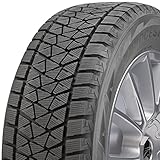
Michelin X-Ice Xi3
Standout: Flex‑Ice 2.0 compound and MaxTouch construction for even wear and long winter performance.
Ideal for: highway commuters who want durable tread life without sacrificing cold traction.
Goodyear Ultra Grip Ice WRT
Standout: Winter Reactive Technology and a directional tread that reduces hydroplaning.
Ideal for: drivers facing shifting slush and wet roads who need steady wet handling.
Pirelli Scorpion Winter
Standout: High‑silica compound and asymmetric tread that balance on‑road handling with snow grip.
Ideal for: SUV owners seeking refined on‑road performance plus winter traction.
Continental VikingContact 7
Standout: Nordic compound and 3D edge grooves tuned for braking and control in cold conditions.
Ideal for: drivers in consistently cold climates who prioritize stopping performance.
| Tire | Compound / Tech | Best use |
|---|---|---|
| Yokohama iceGUARD iG53 | Triple 3D sipes, multi‑layer compound | Variable temps, stable grip |
| Nokian Hakkapeliitta R3 SUV | Cryogenic crystals, aramid sidewalls | Ice traction and durability |
| Cooper Discoverer True North | Silica mix, Snow Groove Technology | Slush-heavy routes, value-focused |
Falken Wildpeak A/T Trail
Standout: Aggressive tread and silica-enriched compound that offer versatility off-road and on plowed roads.
Ideal for: Jeep owners who split time between highways and light winter trails.
Each model emphasizes specific tread, compound, and technology choices that affect handling, traction, and overall performance. Match the tire to your usual winter roads and driving style. For related wheel and size guidance, see this guide to tires jeep grand.
Category alternatives for milder winters or year-round use
For regions with light snow or frequent rain, selecting a single set of tires can be the most practical choice. These alternatives prioritize wet braking, comfort, and mileage while still providing usable winter performance.

Continental CrossContact LX25 — all-season tire
Who it suits: drivers in mostly dry/wet climates with only occasional winter weather.
Why it stands out: EcoPlus silane compound improves wet grip and braking, while Smooth Response Technology reduces road noise. A strong ownership benefit is the up to 70,000-mile limited tread life warranty and built-in indicators that aid alignment checks.
Bridgestone Weatherpeak — all-weather tire
Who it suits: drivers who want one set year-round but need genuine cold-weather capability.
Why it stands out: Rated Three Peak Mountain Snowflake, it uses evolving sipes and full-depth 3D siping for snow grip and open shoulder slots to move water and lower the risk hydroplaning on wet roads.

Goodyear Winter Command Ultra — value winter pick
Who it suits: budget-conscious owners wanting true winter traction without premium price.
Why it stands out: Dense sipes, tied shoulders, and angled lugs provide high traction and handling scores, though longevity is slightly lower than top-tier premium models.
| Category | Primary advantage | Best use |
|---|---|---|
| Continental CrossContact LX25 | Wet braking, comfort, long warranty | Year-round use in mild winters |
| Bridgestone Weatherpeak | Three Peak Snowflake traction, water evacuation | One-set solution for mixed weather and light snow |
| Goodyear Winter Command Ultra | High traction at a lower price | Budget winter option with strong ice/snow grip |
Decision rule: If ice and deep snow are common, pick true winter tires. If winters are mostly rain with occasional cold snaps, an all-weather choice fits. For very mild climates, a premium all-season tire provides the best balance of price and performance for a jeep grand cherokee.
Real-world performance notes and what to expect on the road
Real-world winter driving reveals how tire design turns uncertain grip into predictable control. Expect clearer feedback at launch, steadier cornering, and firmer braking when a winter-rated tire suits the conditions.

What “confidence in the snow” looks like with Bridgestone Blizzak in mountain conditions
Montana mountain testing shows OEM rubber can slide after the first storm. Swapping to bridgestone blizzak (blizzak dm-v2) brought “complete confidence”—the Jeep moved with less float on packed surfaces and snow mode felt more effective.
Why that matters: a cold-flexible compound and dense siping increase bite on snow and ice. You feel improved traction at takeoff, crisper handling in corners, and shorter braking distances on packed surfaces.
How directional tread patterns and wide grooves help in slush and water
Slush adds drag and can tug a vehicle off line. Deep channels and wide grooves move slush and standing water away from the contact patch. That reduces the risk hydroplaning and keeps the tire planted on wet roads.
| On-road change | What to expect | Practical note |
|---|---|---|
| Takeoff traction | Quicker, smoother launches | Less wheelspin on cold pavement |
| Cornering | Predictable turn-in | Reduced understeer in slushy turns |
| Braking | Shorter, more controlled stops | Keep extra distance on ice |
- Even top winter tires improve performance, but braking on ice still needs lower speeds and more gap.
- Pairing appropriate tires with the vehicle’s drive modes smooths traction delivery and reduces abrupt slips.
Conclusion
Matching tire design to your usual winter roads delivers the safest, most predictable on‑road performance.
For a jeep grand cherokee, choose winter tires that match local conditions, typical temperatures, and your driving style. The right tread and compound improve traction, grip, and overall handling in cold weather.
Pick a premium winter option if you face ice and deep snow. Choose an all‑weather model for mixed climates and a quality all‑season when winters are mild. Always confirm size, load rating, and fitment to protect performance and safety.
Balance price against expected mileage and severity of winter. Make the choice that keeps your SUV stable in the worst conditions and delivers the performance you need.